
Understanding regional variations in casino culture worldwide
Historical Background of Casinos
The history of casinos is a fascinating tale that stretches back centuries, with roots tracing to ancient civilizations. Initially, gambling was integrated into social gatherings, where games of chance were played for entertainment. Over time, the first formal establishments emerged in Italy during the 17th century, specifically the Venetian Casino, which set a precedent for modern gaming venues. This marked the beginning of organized gambling, transitioning from informal gatherings to more structured environments, similar to what you’d find at mistergolden.casino.

As the concept of casinos spread across Europe, each region began to develop its own unique flavor of gaming culture. In France, for instance, the establishment of the first legal casino in Spa in 1763 highlighted the country’s sophisticated approach to gambling, combining elegance with high-stakes gaming. The evolution of gaming regulations and the rise of the elite class contributed to shaping the casino culture that would influence the rest of the world, laying a foundation for today’s gaming establishments.
In the United States, the casino landscape took a different trajectory, heavily influenced by the Gold Rush and the Wild West era. By the early 20th century, Las Vegas emerged as the epicenter of gaming culture, characterized by extravagant resorts and entertainment options. This unique blend of gambling, dining, and show business created a vibrant atmosphere, attracting millions of tourists and solidifying Las Vegas’s status as a global gambling hub.
Cultural Influences on Casino Operations
Cultural factors play a significant role in how casinos operate and are perceived around the world. In regions such as Asia, particularly in Macau and Singapore, gambling is often intertwined with local traditions and beliefs. The cultural significance of luck and fortune influences not only the design of gaming establishments but also the types of games offered. The opulent casinos in Macau, for instance, reflect a blend of Chinese aesthetics and Western gaming practices, creating a unique hybrid culture.
In contrast, European casinos often focus on a more traditional and formal gaming experience. Countries like France and Italy pride themselves on their historic establishments, where patrons are expected to dress elegantly and adhere to specific etiquette. The emphasis on sophistication and decorum is a hallmark of European gaming culture, attracting a clientele that values tradition and exclusivity, thereby creating a distinct atmosphere compared to their American counterparts.
Furthermore, the rise of online casinos has introduced a new layer of cultural variation. Different regions have embraced online gaming differently, influenced by local regulations and cultural attitudes toward gambling. While some countries view online gambling as a legitimate form of entertainment, others remain skeptical or impose strict restrictions, reflecting the complexities of integrating new technologies into established cultural norms.
Gaming Regulations and Their Impact
Regulatory frameworks surrounding casinos vary widely from one region to another, significantly impacting how gambling is conducted. In the United States, the patchwork of state regulations results in diverse gaming laws, leading to variances in operational practices. For example, New Jersey’s liberal gaming laws contrast sharply with the more restrictive frameworks found in states like Utah, where gambling is almost entirely banned. This inconsistency influences the types of games offered and the overall atmosphere of casinos within these states.
Internationally, regulations can also reflect cultural attitudes towards gambling. In countries like Japan, where gambling has historically faced heavy restrictions, new developments such as Integrated Resorts are slowly changing the landscape. The introduction of casinos must navigate both public sentiment and regulatory hurdles, illustrating the ongoing tension between tradition and modern gaming opportunities. As a result, the casino culture in Japan is still in its formative stages, influenced by cautious acceptance rather than enthusiastic embrace.
In regions with more liberal gambling laws, such as parts of Europe and some Caribbean nations, casinos often operate with fewer restrictions. These locations tend to attract international tourists looking for a vibrant gaming experience. The result is a thriving casino culture that caters to a global audience while also reflecting local customs and hospitality. This interplay between regulation and culture ensures that the gaming experience is continually evolving to meet changing consumer preferences.
The Role of Technology in Casino Culture
Technology has profoundly transformed casino culture, particularly with the advent of online gaming and mobile applications. The rise of virtual casinos has made gambling more accessible than ever, allowing players from various regions to participate without the need to travel to physical locations. This shift has not only expanded the reach of casino culture but has also introduced diverse gaming styles and practices to a wider audience.
Moreover, the integration of technology within physical casinos enhances the overall experience for patrons. Innovations such as cashless gaming, interactive slot machines, and personalized customer service apps have redefined how players engage with gaming environments. For instance, many casinos now utilize advanced analytics to tailor promotions and rewards to individual players, enhancing the sense of personalized service that is increasingly important in today’s competitive market.
However, the technology-driven landscape also presents challenges, particularly regarding responsible gambling. With the convenience of online gambling comes the risk of addiction and oversight. Many regions are implementing measures to promote responsible gaming, such as self-exclusion programs and educational resources. Balancing innovation with consumer protection remains a critical issue within the evolving casino culture worldwide, ensuring that technological advancements enhance rather than detract from the gaming experience.
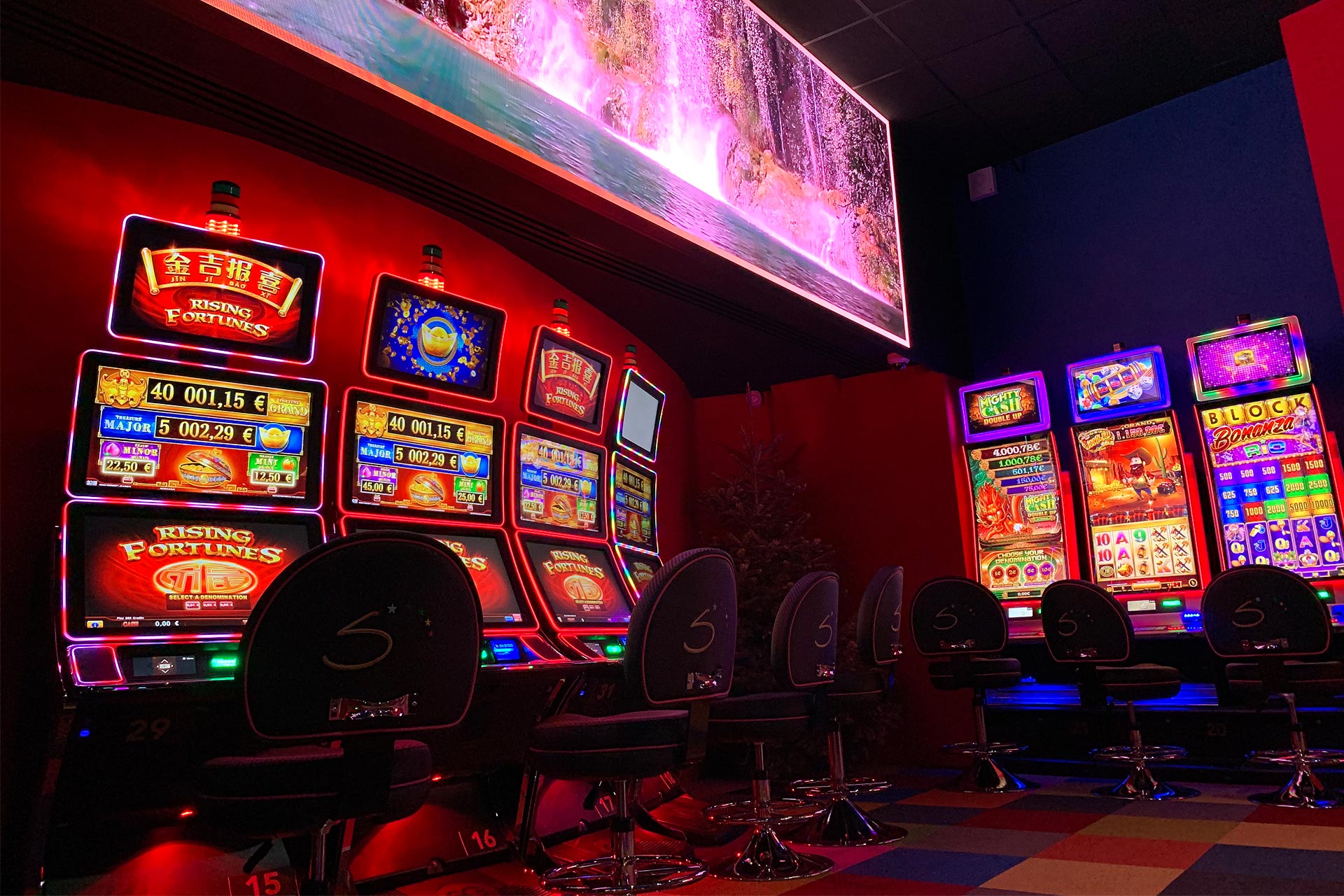
Mister Golden Casino: A Modern Gaming Experience
Mister Golden Casino represents a blend of traditional casino culture and modern technological advancements, offering a unique gaming experience. With over 5,000 slot machines and a variety of live games, it caters to diverse player preferences while ensuring a vibrant and engaging environment. The casino’s comprehensive gaming selection illustrates a commitment to providing a top-notch entertainment experience that appeals to both new and seasoned players.
Emphasizing user safety, Mister Golden Casino operates under a reputable Curacao license, ensuring that players can enjoy their gaming experience with peace of mind. The platform provides fast and secure payment options alongside 24/7 customer support, ensuring a seamless gaming journey. This focus on transparency and quality aligns with the expectations of players in today’s competitive online gambling landscape.
As a destination for both excitement and relaxation, Mister Golden Casino prioritizes creating a VIP experience right from the first click. New players are welcomed with generous bonus packages, including funds and free spins, designed to enhance their gameplay and provide an exhilarating start to their gaming journey. This commitment to excellence highlights how modern casinos can evolve while honoring the rich history of gaming culture worldwide.